Connect your technology with the real needs of the Philippines.
A week to accelerate your company's market entry, validate opportunities, and generate business in AgriTech, renewable energy, infrastructure, and smart cities.
B2B meetings, technical visits, institutional access, matchmaking, strategic preparation, and follow-up, managed from a local operational base in Metro Manila.
Understand
Market, regulation, and demand
Connect
Buyers, partners, and institutions
Validate
Fit, taillights, and entry-level model
Activate
Pipeline, agreements, and next steps
The Philippines needs technology, investment, and international partners.
Population growth, urban expansion, agricultural modernization, the energy transition, and infrastructure development are generating demand for solutions, engineering, and knowledge.
The opportunity lies not only in the size of the market but also in the structural needs the country must address over the coming years.
Explore opportunities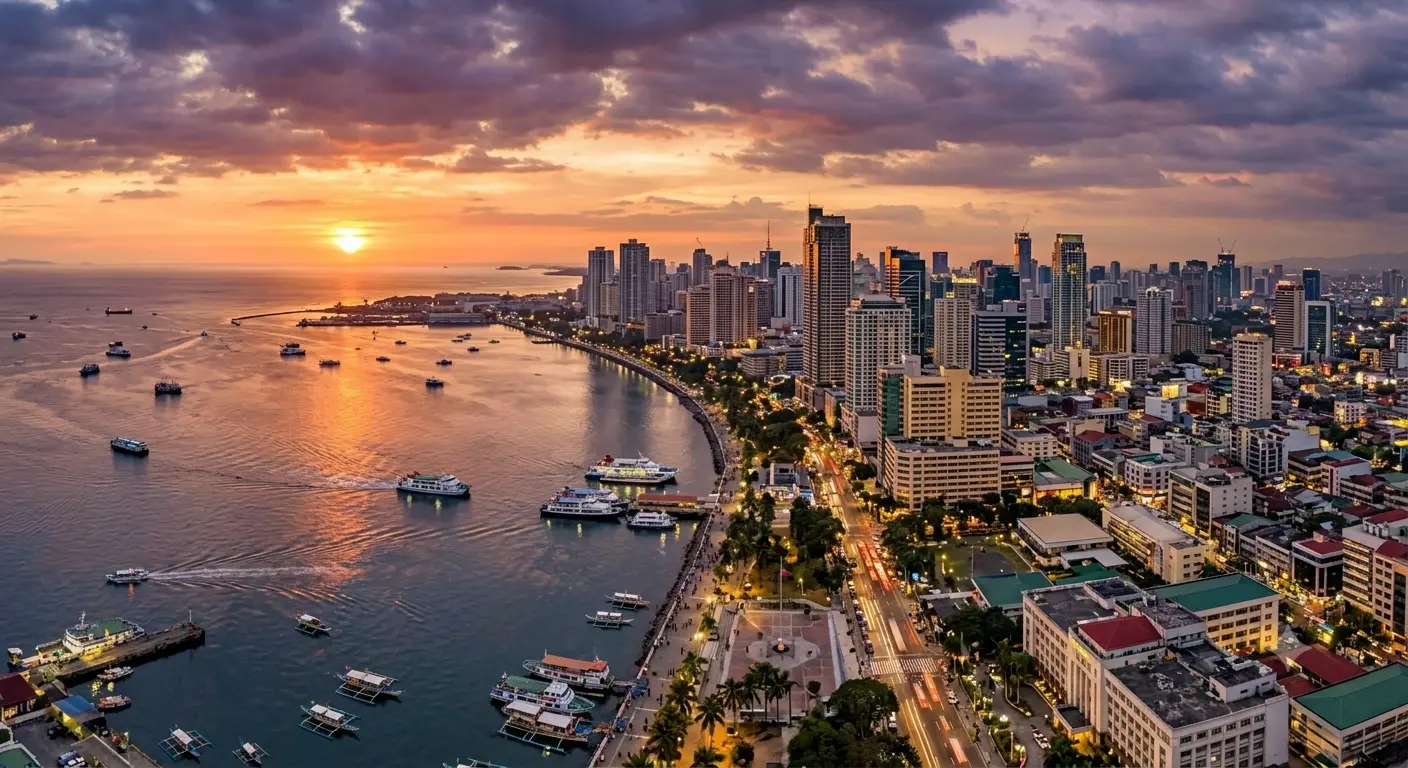
Three transformations that are redefining the country
The mission connects international capabilities with specific needs of the Philippine market.
Agricultural modernization
Improve productivity, mechanization, irrigation, storage, the cold chain, digitalization, and food security.
- Irrigation and micro-irrigation.
- Postharvest and refrigeration.
- Precision agriculture.
- Machinery and automation.
Energy transition
Reduce costs, expand capacity, modernize networks, and provide energy for islands, cities, and industry.
- Solar, wind and geothermal.
- Storage and microgrids.
- Smart grids and efficiency.
- Development and financing.
Cities and infrastructure
Respond to urbanization with better systems for mobility, water, construction, connectivity, and urban management.
- Mobility and infrastructure.
- Water, sanitation, and waste.
- IoT and urban platforms.
- Smart buildings and services.
Turning a week in the Philippines into a genuine market entry process.
Each activity must address a commercial, technological, institutional, or investment objective.
Understand
Economics, regulation, incentives, contracting, corporate culture, channels, and implementation models.
Meeting actors
Companies, developers, distributors, institutions, investors, engineering firms, and operators.
Validate
Fit, adaptation, price, regulation, buyers, partners, and pilot viability.
Generate business
Distribution, contracts, proofs of concept, representation, joint ventures, investment, and industrial collaborations.
Define the roadmap
Prioritized contacts, opportunities, next steps, initial pipeline, and 90-day follow-up plan.
Technology for agriculture, energy, and the cities of the future
Agricultural modernization
Technology to improve production, efficiency, traceability, logistics, and food safety.
- Irrigation and mechanization.
- Cold chain and post-harvest.
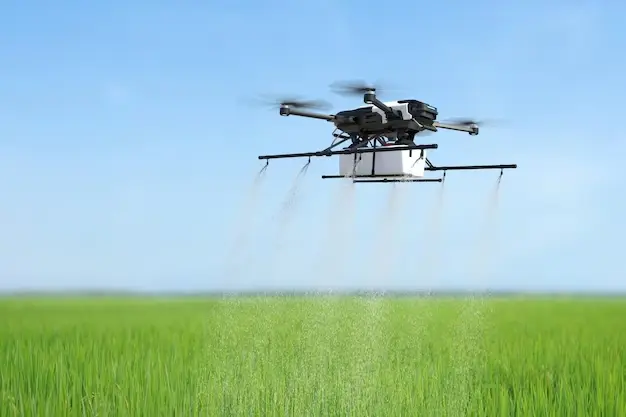
- Sensors, drones, and IoT.
- Software and precision agriculture.
- Bio-inputs and crop protection.
Energy and green technology
Solutions for generation, storage, grids, efficiency, and project financing.
- Solar, wind, and geothermal.
- Storage and microgrids.
- Smart grids and energy software.
- EPC, engineering and operation.
- Investment and asset development.
Infrastructure and cities
Technology and engineering to build more efficient, connected, and resilient urban environments.
- Water, mobility, and waste.
- IoT and urban platforms.
- Smart lighting and security.
- Digital twins and urban analytics.
- Buildings and data centers.
Organizations prepared to develop real opportunities
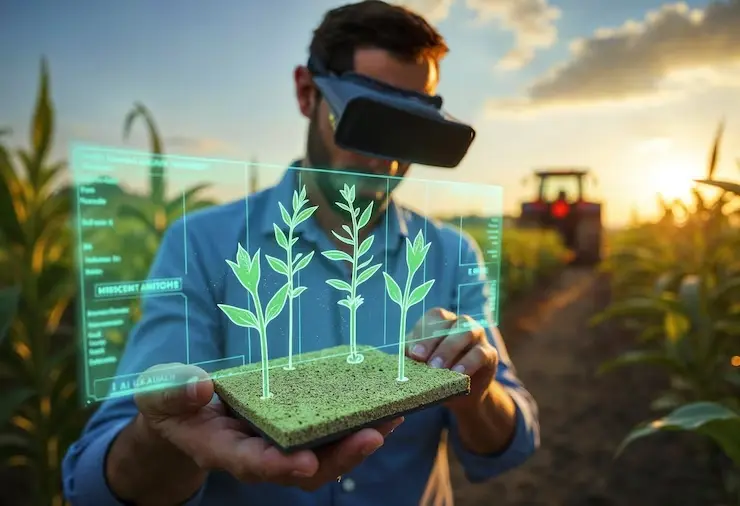
AgriTech companies
Irrigation, machinery, sensors, automation, cold chain, software, drones, traceability, and bio-inputs.
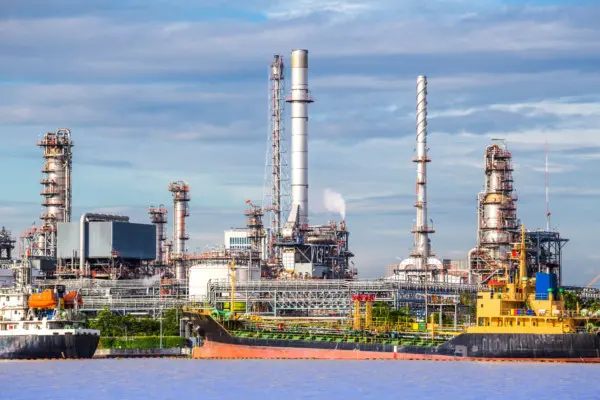
Energy companies
Developers, manufacturers, engineering firms, EPCs, storage, efficiency, and investors.
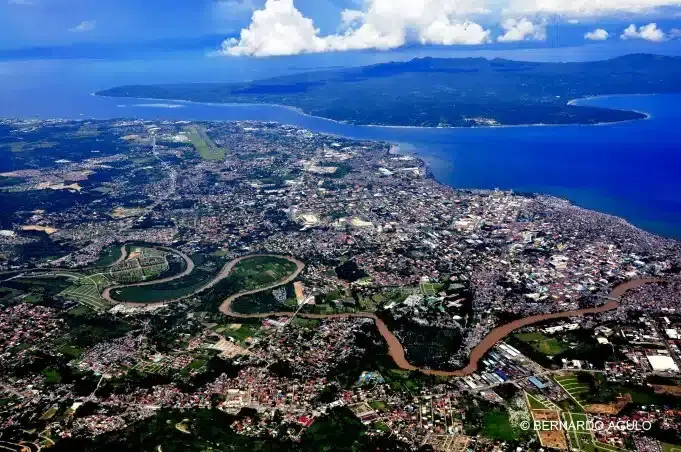
Smart cities and infrastructure
Engineering, mobility, water, construction, IoT, telecommunications, PropTech, and urban services.
Corporations
To locate projects, partners, technologies, pilots, tenders, investments, and joint ventures.

Startups and scaleups
Projects featuring validated technology, adaptability, internationalization, and pilot implementation.

Investors and institutions
Funds, agencies, clusters, universities, and technology centers interested in cooperation.
An agenda to understand, connect, and activate
The program will take place primarily in Metro Manila and may incorporate Clark, Pampanga, Bulacan, or Nueva Ecija.
Market, strategy and preparation
Visión aplicada del entorno económico, regulatorio y empresarial.
- Economic and sectoral briefing.
- Regulation and incentives.
- Public procurement and contracting.
- Cultura y procesos de decisión.
- Meeting preparation.
Resultado: una visión clara del mercado, riesgos y oportunidades.
Agricultural modernization
Technology for productivity, efficiency, and food safety.
- Irrigation and mechanization.
- Post-harvest and cold chain.
- Precision agriculture.
- Distributors and operators.
- B2B visits and meetings.
Potential actors: agricultural organizations, distributors, cooperatives, and agribusiness.
Renewables and green technology
Energy development, financing, and collaboration.
- Solar, wind, and geothermal.
- Storage and microgrids.
- Smart grids and efficiency.
- Developers and investors.
- Meetings and joint ventures.
Result: prioritized projects, partners, and collaboration models.
Smart cities and infrastructure
Urbanization, mobility, industry, and new infrastructure.
- Water, mobility, and urban planning.
- Buildings and smart lighting.
- Telecommunications and data centers.
- Developers and authorities.
- Visits and matchmaking.
Focus: urban, logistics, industrial, and technological projects.
BUSINESS, INVESTMENT, AND ROADMAP
The final session transforms the meetings into an activation plan.
- Follow-up meetings.
- Meetings with investors.
- Pipeline prioritization.
- Identification of partners.
- Definition of next steps.
Bottom line
Each company leaves with a roadmap, prioritized contacts and a 90-day plan.
The mission begins before the journey.
Productive meetings require research, message adaptation, qualification, and preparation by each participant.
- Internationalization diagnosis.
- Review of the value proposition.
- Market analysis.
- Identification of target companies.
- Regulatory review.
- Pitch adaptation.
- Preparation of materials.
- Selection of partner profile.
- Lead qualification.
- Meeting confirmation.
Each company will receive information regarding the stakeholders, meetings, regulatory context, and agenda objectives.
Each company needs different points of contact.
The mission combines a shared component with individual meetings tailored to the sector, technology and objectives.
Joint program
- Institutional sessions.
- Sector briefings.
- Workshops.
- Technical visits.
- Networking.
- Group presentations.

Individual schedule
- Clients and buyers.
- Distributors and importers.
- Industrial partners.
- Investors.
- Engineering firms and integrators.
- Organizations and universities.
Before, during, and after the mission
The program does not begin at the airport, nor does it end when the final meeting concludes.
Before
- Initial diagnosis.
- Fit analysis.
- Market briefing.
- Identification of stakeholders.
- Adapting the pitch.
- Cultural preparation.
- Planner design.
During
- Local coordination.
- Accompaniment.
- B2B meetings.
- Visits and events.
- Daily briefings.
- Contact log.
- Incident management.
After
- Individual report.
- Pipeline and opportunities.
- Recommendations.
- 30, 60, and 90-day plan.
- Meeting follow-up.
- Support with proposals.
- Implementation and negotiation.
Every meeting must serve a purpose.
Scouting
We identify the organizations, projects, and stakeholders that are the best fit.
Qualification
We evaluate need, interest, capacity, decision, and horizon.
Preparation
Fact sheets, messages, briefings, materials, agenda, and objectives.
Execution
Meetings, visits, events, presentations, and networking.
Follow-up
Next steps, proposals, pilots, agreements, and pipeline.
What a participating company should gain
The results will depend on the fit, preparation, maturity, and execution capability of each organization.
Real knowledge
Market, regulation, competition, channels, culture, and processes.
Feedback
Validation of the solution, adaptations, and local perception.
Qualified leads
Meetings with key stakeholders and decision-makers.
Partners and opportunities
Potential distributors, buyers, integrators, or partners.
Initial pipeline
Prioritized contacts, projects, pilots, and opportunities.
Entry plan
Next steps and roadmap for the next 90 days.
From a meeting to a project
AgriTech
- Distribution
- Demonstration or pilot.
- Technology sales.
- Agreement with cooperatives.
- Industrial partner.
Energy
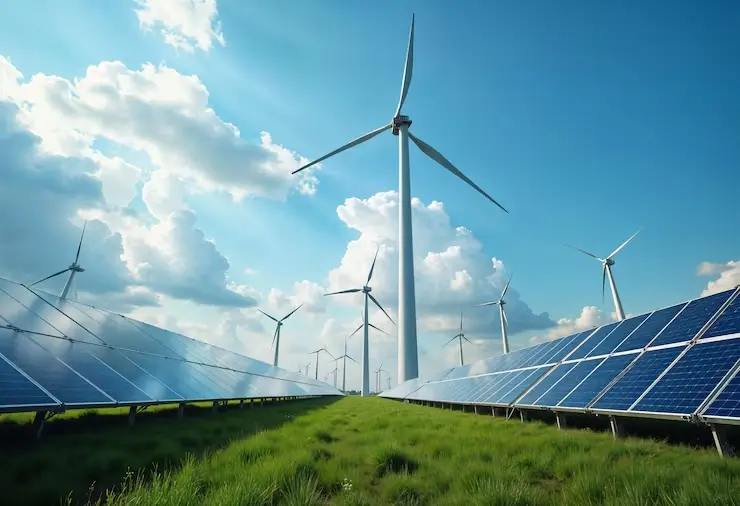
- Renewable energy project.
- EPC Agreement.
- Local partner.
- Storage.
- Microgrid or joint venture.

Smart cities
- Proof of concept.
- Urban project.
- Engineering contract.
- Technology partner.
- Water or mobility.
Investment
- Access to projects.
- Co-investment.
- Asset development.
- Joint ventures.
- Local partners.
It is not designed to observe the market, but to act within it.
Conventional mission
- Generic agenda.
- Institutional visits.
- Open networking.
- Limited individual preparation.
- Without structured follow-up.
- Inspiration without a pipeline.
Acceleration program
- Preliminary preparation.
- Sectoral specialization.
- Qualified B2B agenda.
- Local operational presence.
- Pilot guidance and agreements.
- 90-day follow-up.
The mission can become a comprehensive onboarding process.
Companies that identify opportunities will be able to continue developing them with local support.
Market intelligence
Studies, projects, tenders, regulation, and competitive information.
Commercial representation
Prospecting, follow-up, coordination, and pipeline management.
Partner search
Distributors, integrators, representatives, and industrial partners.
Soft landing
Incorporation, office, incentives, taxation, registration, and hiring.
Demand generation
Events, campaigns, content, telemarketing, and appointment setting.
Investment support
Introductions, meetings, documentation, and structuring.
Presence, network, and operational experience in the Philippines
The mission is backed by a team with experience in business development, B2B marketing, events, technology and commercial activation.
TEAM MEMBER IN THE PHILIPPINES
Paul Ezekiel M. Inocencio
Strategic Industry Collaboration & Business Development
Local coordination, strategic development, business relationships, B2B technology, telecommunications, cloud, data centers and financial services.
LOCAL OFFICE
INTERNATIONAL.ST
Marketing B2B, eventos, demand generation y soporte operativo
Unit 8, ground floor. East of Galleria Building, Topaz Road, Ortigas Center, Pasig City 1605, Philippines.
The institutions, companies, organizations, and conglomerates mentioned in the program represent ecosystem players or potential targets for meetings. They should not be presented as confirmed partners without express authorization.
We are looking for companies prepared to develop real opportunities.
The selection process makes it possible to build a cohort capable of making the most of the meetings and ensuring continuity for the opportunities.
- Validated product or technology.
- Internationalization capacity.
- Possibility of adapting the proposal.
- Resources for follow-up.
- Ability to execute pilots.
- Clear objectives in the Philippines.
- Medium- and long-term vision.
- Willingness to work with local partners.
Participation process
Application
The company fills out the initial form.
Evaluation
We assess the solution, maturity, objectives and fit.
Interview
Diagnostic meeting with the team.
Selection
Confirmation of participation and start of preparation.
Mission and follow-up
Execution in the Philippines and follow-up roadmap.
Before applying for your spot
The program adapts to the cohort profile and the best-fit opportunities.

A week to understand the market. A local network to access it. A process to turn contacts into opportunities.
Present your company, and we will evaluate the real potential for participation.
Request an evaluation for the mission.
We will analyze your solution, sector, stage of development, objectives, and capacity to execute opportunities in the Philippines.